A manatee that made its way approximately 1,000 miles beyond its normal range to Bermuda has been found dead, with initial findings showing that the male animal was severely emaciated.
A Government spokesperson said, “The Bermuda Aquarium, Museum and Zoo [BAMZ] received a report from Maritime Operations on Friday, 21 August, of a dead manatee.
“Found The Animal Deceased”
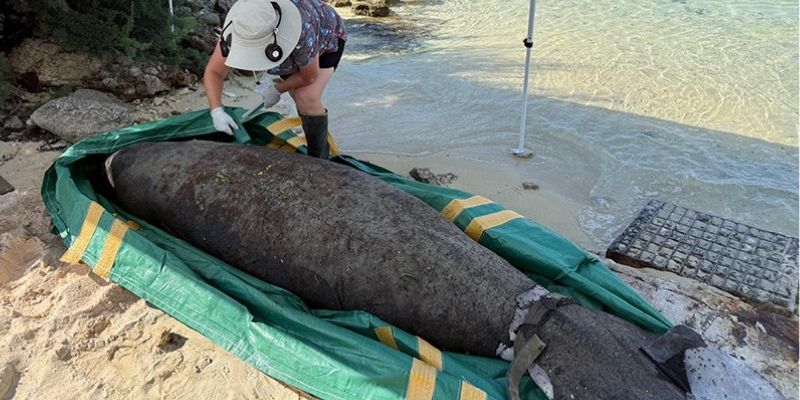
“Staff responded immediately and, unfortunately, found the animal deceased near Trinity Church in Harrington Sound. It is believed to be the same manatee reported in several sightings throughout the month.
“Eight Reported Sightings Over A Two-Week Period”
“BAMZ and the Department of Environment and Natural Resources [DENR] received eight reported sightings over a two-week period and coordinated their response using information from the public while consulting overseas experts on options to assist the animal.

“Staff Conducted Searches By Boat And Drone”
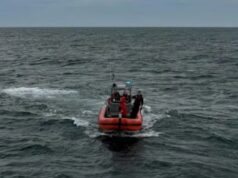
“Following the initial sighting on 5 August, staff conducted searches by boat and drone over two consecutive days. When those searches did not locate the animal, the team continued monitoring reports from the public and responded to sightings where possible.
“Manatees can be difficult to detect from the surface because of their slow movement, colouration and limited time above water.
“The Manatee Was Male And Severely Emaciated”
“The carcass was recovered and transported to a secure location for a post-mortem examination. Initial findings confirmed the manatee was male and severely emaciated.
“A healthy adult manatee can weigh around 1,000 lbs; this animal weighed approximately 550 lbs. A definitive cause of death cannot be determined until samples sent overseas for testing have been analysed.
“Approximately 1,000 Miles Beyond Its Normal Range”
“Manatees are not native to Bermuda, and it remains unclear how the animal travelled approximately 1,000 miles beyond its normal range. The open-ocean journey, combined with limited access locally to its primary food source and fresh water, may have contributed to its poor condition.
“BAMZ and DENR thank members of the public who reported sightings and helped the team monitor the animal.”